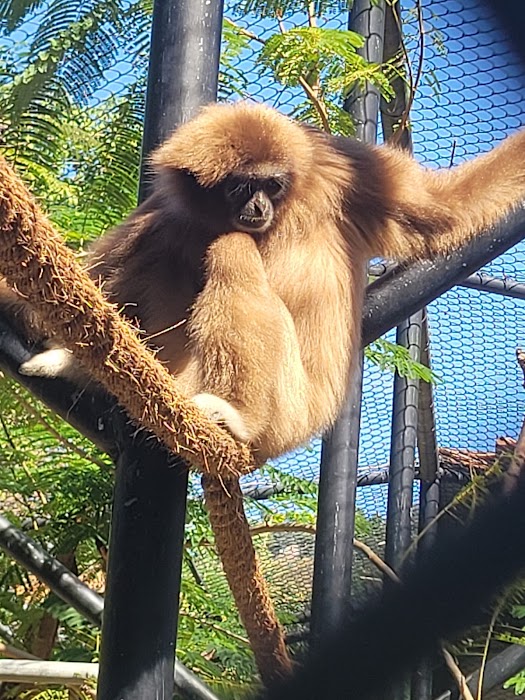
Hope Zoo is a small zoo inside Hope Gardens that costs under US$10 and takes about ninety minutes. It is also the place where a lizard the world had written off as extinct was brought back, and the pens holding that recovery programme are the most important thing on the site even though most visitors walk past them. Go for the iguanas, not the lion.
History
1961, and then a long decline
The zoo opened to the public in 1961 inside the grounds of the old Hope Estate, land granted to Major Richard Hope after the English took Jamaica from Spain in 1655, and later the colonial botanical garden. It was conceived as a Caribbean and Central American zoo, meant to show as wide a range of regional animals as possible.
It did not stay that way. Funding fell short, the animal collection was lost, the enclosures deteriorated and the public stopped coming. By 2005 central government, which had run the zoo through its Public Gardens Division, began leasing the facility out instead. In November 2011 the Hope Zoo Preservation Foundation took over full management, with the businessman Kenneth S. Benjamin as executive chairman, and the rebuilding started from a very low base. The African lion Lucas, still the animal most people come to see, was donated in July 2013.
The iguana that came back from the dead
This is the part that matters. The Jamaican iguana, Cyclura collei, is a large ground iguana endemic to the island. Mongooses, introduced in the nineteenth century to control rats in cane fields, ate the hatchlings. The species was declared extinct in 1948.
In August 1990 a hog hunter named Edwin Duffus was working the Hellshire Hills in St Catherine when his dog chased an animal into a hollow log and injured it. It was an adult male Jamaican iguana. It was taken to Hope Zoo. A species declared gone for forty-two years turned out to be surviving, unnoticed, in one of the driest and roughest patches of limestone forest in Jamaica.
The response was a headstart programme, run at Hope Zoo since 1991. Hatchlings are collected from nests in the wild, raised at the zoo for four to six years until they are too big for a mongoose to take, then released back into the Hellshire Hills. The zoo holds several hundred at any one time and reports more than 550 released so far. Partners include Jamaica's National Environment and Planning Agency, the University of the West Indies, the International Iguana Foundation, Fort Worth Zoo and San Diego Zoo. Conservation biologists routinely describe it as one of the more successful recoveries anywhere.
The zoo is also the country's main wildlife rescue point, taking in injured owls, parrots, snakes and American crocodiles, which is the only crocodile species in Jamaica.
Melissa
Hurricane Melissa made landfall in Jamaica on 28 October 2025 as a Category 5, the strongest storm in the island's recorded history. Zoo staff spent the days before it moving and securing roughly 1,500 animals, including putting the capuchin monkeys in a bathroom. A tree came down in the peccary enclosure and took out fencing, power was lost and the generator failed, but no animal was killed or injured and the zoo reopened after keepers, vets, landscapers and gardeners put the enclosures back together.
What it costs and when it opens
Open every day, roughly 10am to 4pm. Admission is around J$1,500 for adults aged 12 and over, and about J$1,000 for children aged 2 to 11 and seniors 65 and over, with under twos free. In US dollars that is roughly US$9 and US$6. Parking for Hope Gardens is charged separately at the gate, around J$200 for a car.
Hours are shorter than the surrounding gardens, which stay open until about 6pm, so build the zoo into the middle of a Hope Gardens visit rather than the end of one.
What it is actually like
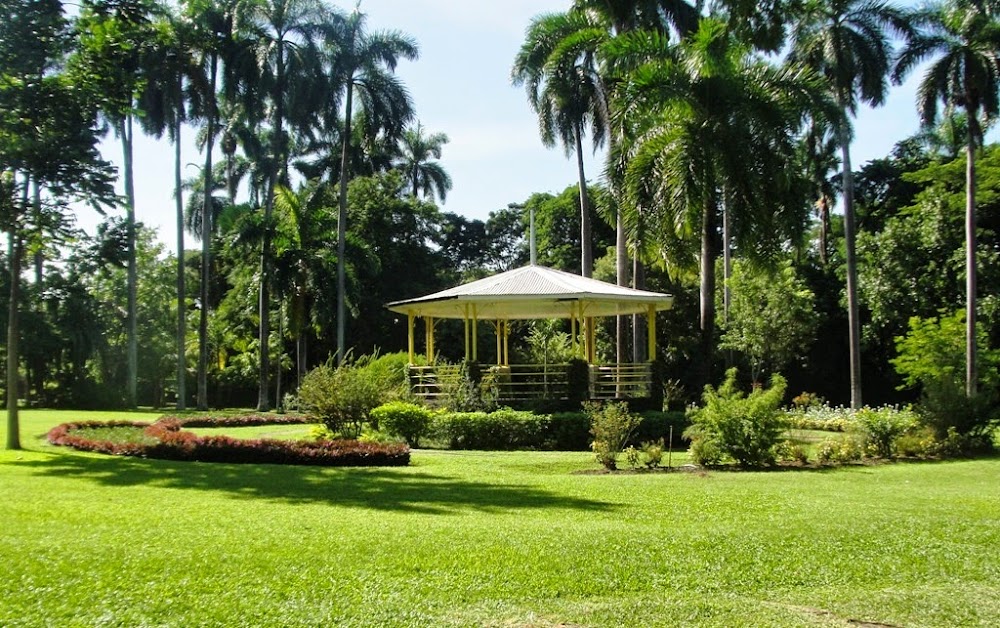
Small, green and shaded, and modest by international standards. If you have been to a large European or American zoo, adjust expectations: this is about sixty acres with a few hundred animals, not a mega-facility. What it does well is that it is walkable, unhurried and quiet on weekday mornings.
Weekends, public holidays and school half terms are a different proposition, with Kingston families out in force and queues at the gate. Feeding times draw crowds around the lion and the birds. Ask staff where the iguana enclosures are, because they are working conservation pens rather than a headline exhibit and they are easy to miss.
What to bring
- Cash in Jamaican dollars for parking and the gate.
- Water and a hat. Food on site is limited to snacks.
- Comfortable shoes for grass and gravel paths.
How it fits a day
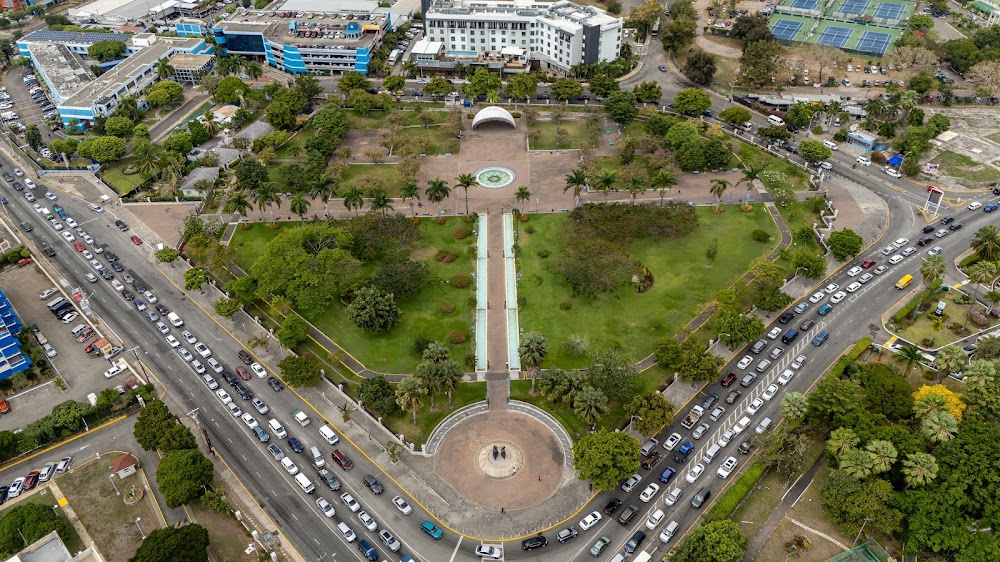
Hope Zoo only makes sense as part of a Hope Gardens morning, because it sits inside the gardens off Old Hope Road. YaadBinge normally runs the gardens from around 8am while it is cool, opens the zoo at 10am, and is out by 11.30am.
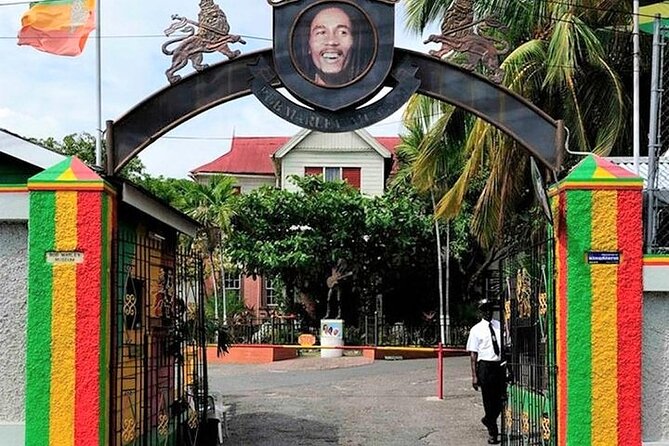
From there it is roughly ten minutes down Old Hope Road to the Bob Marley Museum and about fifteen to Devon House, which makes a natural late morning to early afternoon run. Allow ninety minutes for the zoo alone, two hours with young children who will want to stop at everything.