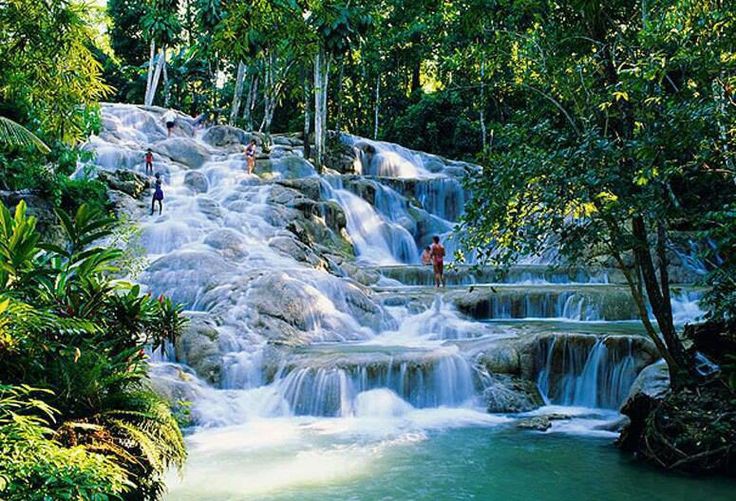
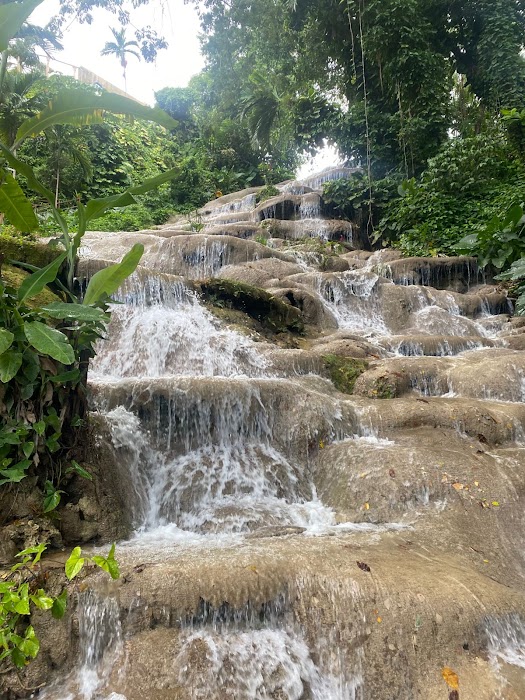
Konoko Falls is the small waterfall in the hills directly above Ocho Rios, on the old Shaw Park Estate, about five minutes from the town centre. You get a climbable limestone falls, a botanical garden, a small zoo and a history museum for around US$20, which is roughly a third of what the big attractions charge. The honest catch is that it is modest in scale, and the museum, while genuinely interesting, is a room of panels and cases rather than a national collection.
History
It used to be called Coyaba
If you find old guidebooks or a Tripadvisor page under a different name, that is the same place. This was Coyaba River Garden and Museum, sometimes listed as Coyaba Gardens and Mahoe Falls. Coyaba is a Taino word for the afterlife, the good place souls went. The property was rebranded Konoko under Guardsman Hospitality in the mid 2010s, with the Gleaner already reporting it under the new name in March 2015. Konoko is given as an Arawak word for rainforest.
Guardsman Group, which took the property on, also runs Hope Zoo in Kingston, and stocked the Konoko animal collection partly from there. That is why a small St Ann garden has a better set of Jamaican endemics than you would expect.
Taino people actually lived here
This is not marketing. Taino artefacts have been recovered from this ground, which is what tells us the site was settled long before anyone put a gate on it, and it is why the museum is here rather than somewhere more convenient. The reason is geography: a permanent freshwater spring and stream, high ground with a clear view of the bay, and easy reach of both the sea and the interior. It is a sensible place to live, and people worked that out several hundred years before the tour buses.
What is actually in the museum
Be realistic about the scale and it is worth your twenty minutes. The exhibit runs from the Taino through to the present, using artefacts, rare maps, period pictures and written panels rather than a large object collection. Alongside the Taino material there are pieces representing the Spanish, British and West African strands that followed. The site has never published a catalogue, so treat any claim about specific named artefacts with caution, including ours. Go and look.
The lookout is named after a man who lost
The viewpoint over the bay is called the Yassi lookout, named for Don Cristobal Arnaldo de Ysassi, the last Spanish governor of Jamaica. After the English took the island in 1655 Ysassi did not leave. He ran a guerrilla campaign from the north coast bush for five years, was beaten near Ocho Rios on 30 October 1657, and beaten again at Rio Nuevo on 25 to 27 June 1658, the largest battle ever fought on Jamaican soil, a few miles east of where you are standing. He held on until 1660, when his Maroon allies went over to the English and the position collapsed, then escaped to Cuba by canoe. The hills you are looking at from this lookout are the hills he hid in.
What it costs and when it opens
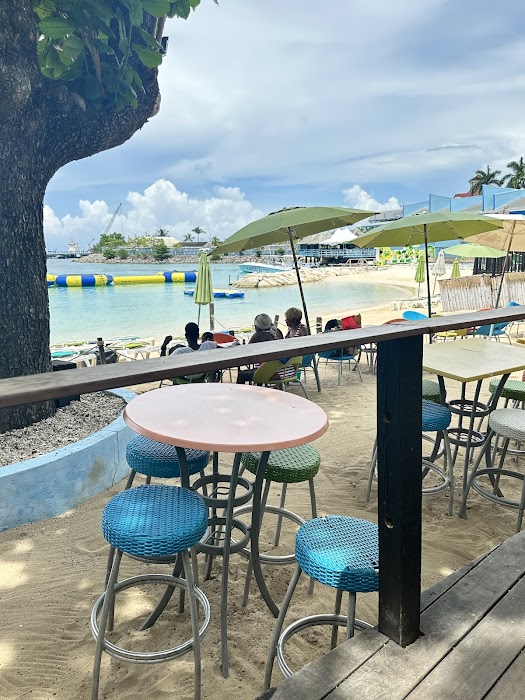
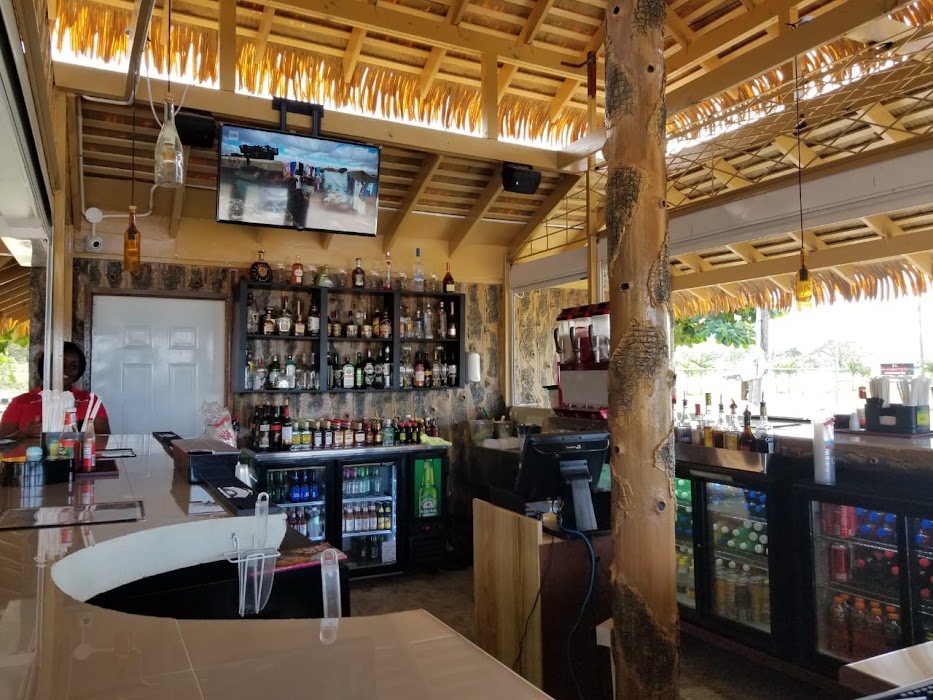
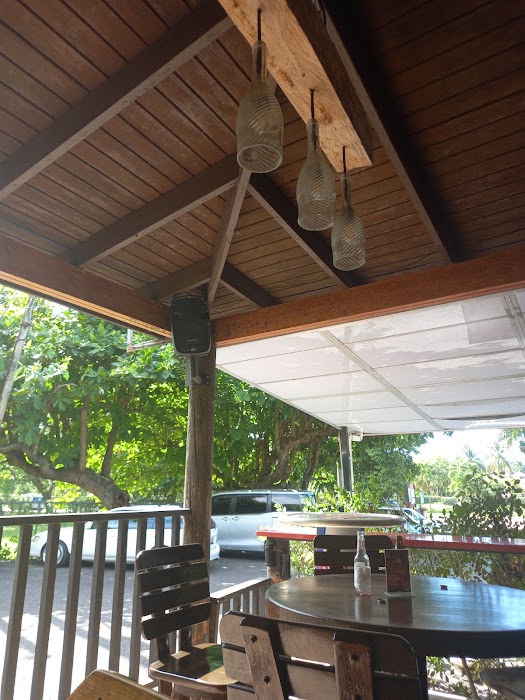
Recent visitor reporting puts admission at around US$20 for adults and US$10 for children 12 and under, with under threes free. Jamaican residents pay in local currency, roughly J$2,000 for adults and J$1,000 for children, on production of ID. That covers everything: falls, gardens, zoo, museum. Opening is daily, generally 8.30am to 4.30pm, though some listings say 8am to 5pm, so call (876) 622-1712 if you are cutting it fine. There is a bar and grill on site doing jerk chicken and pork.
What it is actually like
Small, green and calm, which is exactly the point. The Jamaica Observer describes the falls as 80 feet; other listings quote a 600 foot run of cascades. Those numbers are measuring different things and neither is official. What you actually do is walk down more than 200 steps to the base, then climb back up the stepped limestone, which takes about ten minutes and is manageable for most reasonably fit people. Lifeguards are stationed on the climb.
The gardens have koi ponds, heliconia and bird of paradise. The animal collection includes Jamaican yellow boas, crocodiles, iguanas, tortoises, owls, macaws and an aviary of budgies you can feed. Crowds are the real difference from Dunn's River: this place is quiet even when the cruise ships are in, unless a specific excursion has been sold there that morning. Peak season runs October to March.
What to bring
- Water shoes or trainers with grip, not sandals
- Jamaican photo ID if you want the resident rate
- A dry change of clothes, you will get wet on the climb
- Cash for the bar and for tips
How it fits a day
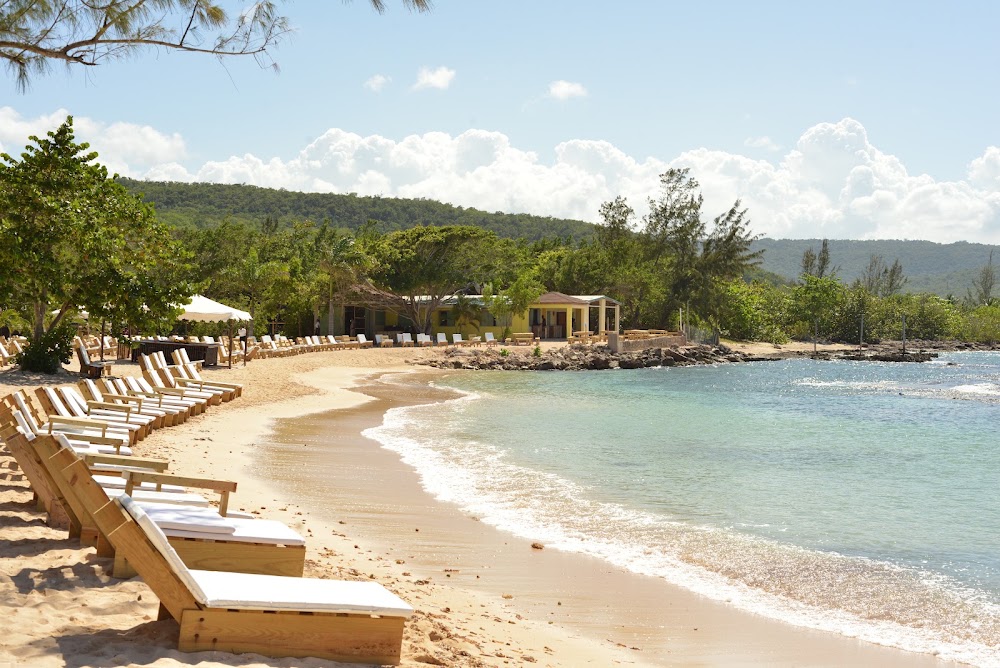
Konoko is a two hour stop, not a day. YaadBinge slots it around 9am to 11am, before the heat and before the town fills up, then drops into Ocho Rios for lunch and a beach afternoon.
It also works as the deliberate alternative to Dunn's River rather than an addition to it. If you want a waterfall climb without a queue of several hundred people, come here instead and spend the money you saved on the rest of the day. If you have already done Dunn's River in the morning, Konoko in the same day is repetition, and a beach or the town would serve you better.